

Welcome back to the Campfire Chat series here at The Overland Report. I’m Rich, and today I’m sitting by the fire in the beautiful Pisgah National Forest to talk about one of the most frequent questions I get: What’s it like living full-time on the road with a dog?
My co-pilot, Meatball (a full-grown Chocolate Labrador), has been by my side for thousands of miles, from the deserts of Nevada to the Blue Ridge Mountains. While traveling with a dog is incredibly rewarding, it definitely changes the dynamic of overlanding. It requires planning, patience, and the right gear to keep both of you happy and safe.
In this post, we’re breaking down how we manage space in the Jeep Gladiator and Toy Hauler, along with some essential gear recommendations.
The Mobile Setup: Jeep & Toy Hauler
Living full-time in a 21-foot toy hauler pulled by a Jeep Gladiator means every square inch counts. When you add a 70+ pound dog into that equation, organization is key.
Managing Space in the Jeep Gladiator
On the trail or during a long travel day, Meatball needs a safe spot. While some Gladiator owners opt for a rear-seat delete, I use a high-quality dog hammock in the back seat. This keeps him secure, prevents him from jumping into the front, and protects the upholstery from muddy paws after a hike.
We also have to be smart about gear storage in the bed. Utilizing a bed rack system allows me to keep recovery gear up high, leaving the truck bed floor accessible if needed, though Meatball usually prefers riding in the air-conditioned cab.
Making the Toy Hauler Dog-Friendly
Inside the camper, the goal is to make sure Meatball has his own "zone." He has a designated orthopedic dog bed that stays in a specific corner. Consistency helps dogs adjust to life on the road quickly.
The Game-Changer: Toy Hauler "Patio Mode" One of the biggest advantages of living full-time in a toy hauler is the fold-down rear ramp, or "Patio Mode." With a simple aftermarket fence kit, this creates an instant, secure outdoor deck at camp. It’s been a huge game-changer for us. It allows Meatball to hang outside in the fresh air and enjoy the view while I’m working inside on blog posts or editing videos, without me having to worry about him wandering off or getting tangled in a leash.
Safety, Comfort, and Trail Etiquette
Public lands, like Pisgah National Forest where we are currently camped, are amazing places to explore with pets, but they come with responsibilities.
1. Safety First: Restraints and First Aid
- On the Trail: Whether you are overlanding on rugged terrain or just driving forest roads, your dog should be secured. Loose dogs in a vehicle can become projectiles in an accident or sudden stop.
- The Trail Kit: Our dog first aid kit is as important as my own. It includes supplies for paw injuries (boots are great for sharp rocks), tick removal tools, antiseptic wipes, and Benadryl for allergic reactions. Always check local regulations regarding leashes on trails—even if your dog is well-behaved, leash laws exist for their protection and the protection of wildlife.
2. Managing Temperature on the Road
Summer heat waves are a challenge. If we are at a campground with power, the AC handles itself. However, when we are boondocking or dispersed camping, we rely on battery-powered portable fans and proper ventilation. A quick tip: a wet cooling vest can help keep your dog's body temperature down on hot days before the sun goes down.
3. Hydration and Nutrition Routine
Keeping a dog properly hydrated is crucial on the trail. It’s easy to forget when you're focused on driving. I keep a constant supply of water accessible.
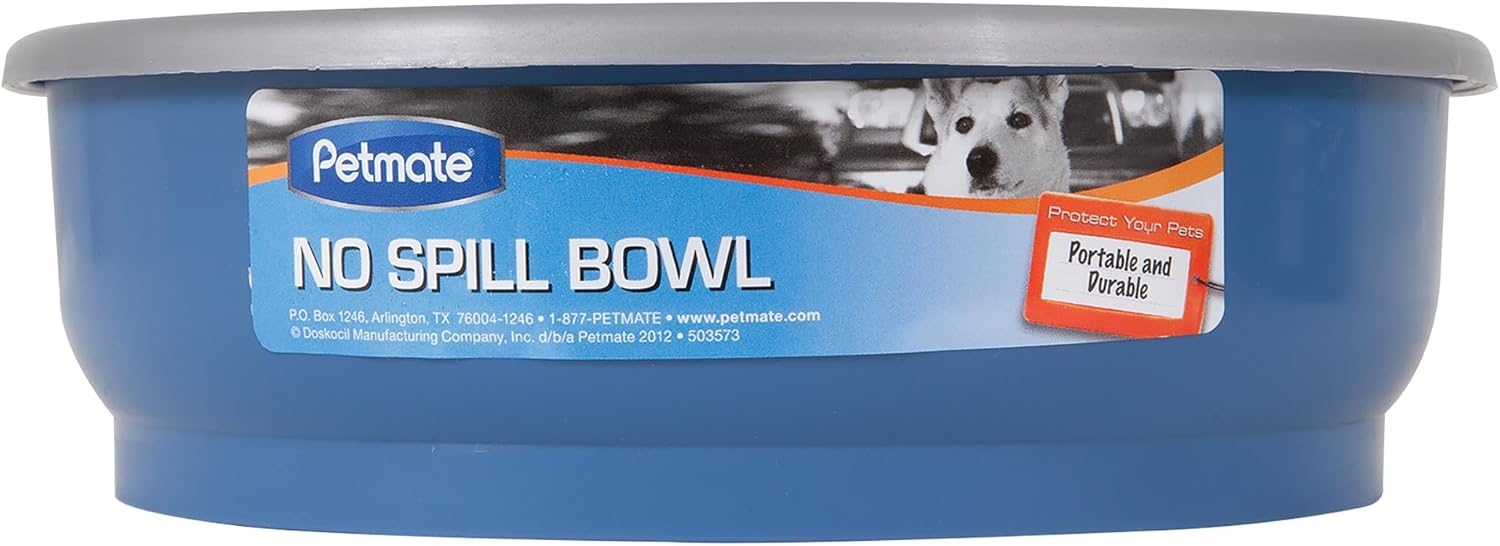
To make camp life cleaner, especially inside the camper, invest in a quality, spill-proof water bowl. It saves me from mopping up wet spots every time Meatball takes a drink.
Essential Overlanding Gear for Dogs
To help you prepare for your own adventures, here are some of the specific items I use and recommend for full-time travel with a large dog.
- No-Spill Dog Bowl: Keep your camper floors dry even on bumpy forest roads.
- 👉 Find it here: Non-Spill Dog Bow
- Dog Camping Pad: Give your pup a comfortable, insulated place to lay that defines their "space" at camp.
- 👉 Find it here: Dog Camping Pad
- Portable Dog Zip Line or Tie-Out System: A safe alternative to staking them to the ground, giving them room to roam while staying secure at camp.
- 👉 Find it here: Portable Dog Zip Line

Final Thoughts
Overlanding with a dog isn't always the easiest path, but for me, it’s the only way to travel. The extra planning is worth every sunset spent by the campfire with my best buddy.
Do you travel full-time with pets? Drop your favorite dog-friendly overlanding tips or must-have gear items in the comments below or over on the YouTube live chat!
Safe travels, Rich & Meatball